

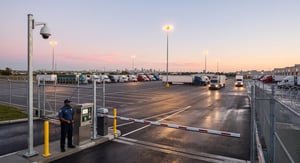
For fleet managers and owner-operators, finding reliable truck parking at the end of a shift is no longer just a daily chore—it is one of the most critical operational bottlenecks in modern logistics. Every night across North America, thousands of commercial drivers waste valuable driving hours searching for a safe space to park their rigs.
When secure truck parking is unavailable, the consequences ripple across every layer of fleet management, jeopardizing driver safety, inflating fuel and labor expenses, and exposing valuable cargo to theft. Understanding why securing a spot is so difficult—and how modern tech solutions are reshaping trucking operations—is essential for any fleet looking to stay competitive.
The Root Causes Behind the Truck Parking Shortage
The imbalance between the number of trucks on the road and available parking capacity is staggering. Industry estimates suggest there is only one available parking space for every eleven long-haul trucks. Several systemic factors contribute to this persistent shortage:
1. Zoning and Real Estate Restrictions
Municipalities frequently implement strict zoning laws and NIMBY ("Not In My Back Yard") policies that restrict the development of heavy industrial staging areas. Local governments often prioritize retail or residential land development over freight infrastructure, pushing high-capacity parking facilities further away from key freight corridors.
2. High Land and Security Development Costs
Developing a proper long term truck parking yard requires substantial capital. Beyond buying acres of land near major interstates, operators must invest in perimeter fencing, heavy-duty asphalt paving, gate access controls, 24/7 security monitoring, and adequate lighting. High overhead costs make independent parking facility expansion slow and expensive.
3. Outdated Infrastructure at Traditional Truck Stops
Traditional truck stops were primarily built for quick rest breaks, refueling, and basic amenities—not as high-security hubs for long-term staging or specialized trailer parking. As freight volumes continue to rise, existing facilities simply cannot keep up with demand during peak hours (typically between 4:00 PM and 11:00 PM).
How Parking Shortages Disrupt Fleet Operations
When a driver cannot find a verified, safe location to park, the entire chain of operational efficiency breaks down.
|
Area of Operational Impact |
Key Operational Risk |
Operational Consequence |
|
HOS Compliance |
Running out of legal driving time while hunting for parking |
Unplanned ELD violations, safety penalties, and forced roadside stops |
|
Fleet Efficiency & Costs |
Driving 45–60 extra minutes per day to locate an open lot |
Wasted diesel fuel, added equipment wear, and reduced revenue miles |
|
Cargo & Equipment Safety |
Parking on highway shoulders, ramps, or unlit lots |
Higher incidence of cargo theft, trailer tampering, and physical damage |
|
Driver Retention |
High daily stress and unsafe working conditions |
Increased turnover among experienced drivers seeking better operating conditions |
Hours of Service (HOS) & Route Planning Headaches
Under strict Federal Motor Carrier Safety Administration (FMCSA) Hours of Service mandates, drivers must pull over when their clock runs out. When drivers are forced to stop searching 60 to 90 minutes early just to secure a spot before lots fill up, fleets lose dozens of billable driving miles every day.
Unsafe Parking and Theft Risks
When authorized lots are full, drivers are often left with no choice but to park on highway off-ramps, abandoned lots, or shoulders. Unsecured locations leave tractors, loaded trailers, and high-value cargo vulnerable to theft and vandalism, driving up insurance premiums and cargo liability claims.
Solving the Crisis: How FinPark Empowers Fleets and Owner-Operators
Overcoming the parking crisis requires shifting away from first-come, first-served guesswork toward real-time transparency and guaranteed bookings. That is where FinPark comes in.
FinPark is an on-demand truck parking marketplace designed to directly connect fleet dispatchers and owner-operators with verified, secure parking facilities across North America. By modernizing how carriers discover and reserve space, FinPark addresses the core pain points of trucking operations:
- Guaranteed Advance Reservations: Dispatchers and drivers can pre-book short-term stops or long term truck parking spots along their route, eliminating the daily stress of searching for an open space.
- Vetted, Secure Facilities: FinPark lists certified facilities equipped with security features like perimeter fencing, gated access, lighting, and camera monitoring to protect assets and cargo.
- Flexible Vehicle Storage: Whether you need full tractor-trailer spots, dedicated trailer parking, or container staging, the platform accommodates diverse fleet needs.
- Real-Time Visibility & Route Efficiency: Drivers save an average of up to one hour per day by heading directly to a reserved location, cutting unnecessary idling and fuel expenditure.
Taking Control of Your Fleet’s Parking Strategy
Secure parking is no longer an afterthought—it is a vital pillar of driver welfare, asset protection, and fleet profitability. By leveraging digital parking marketplaces like FinPark to lock in safe, verified parking ahead of time, fleet managers and owner-operators can safeguard their drivers, protect their cargo, and keep their trucks moving efficiently.